


Safety should always be a top priority when transporting goods, regardless of size or shape. The right load securing equipment will ensure your cargo stays in place during transit, reducing the risk of accidents, damage and delays. Across the delivery, haulage and HGV sectors, suitable load securing is a crucial factor in risk assessments, and it shouldn’t be overlooked. Choosing the best security solutions for the load you’re transporting and the nature of the journey is essential for a smooth and efficient process.
In this post, we have explored the different types of load securing equipment available and advised on how to determine which solution is best suited to your needs.
Different Types of Load Securing Equipment
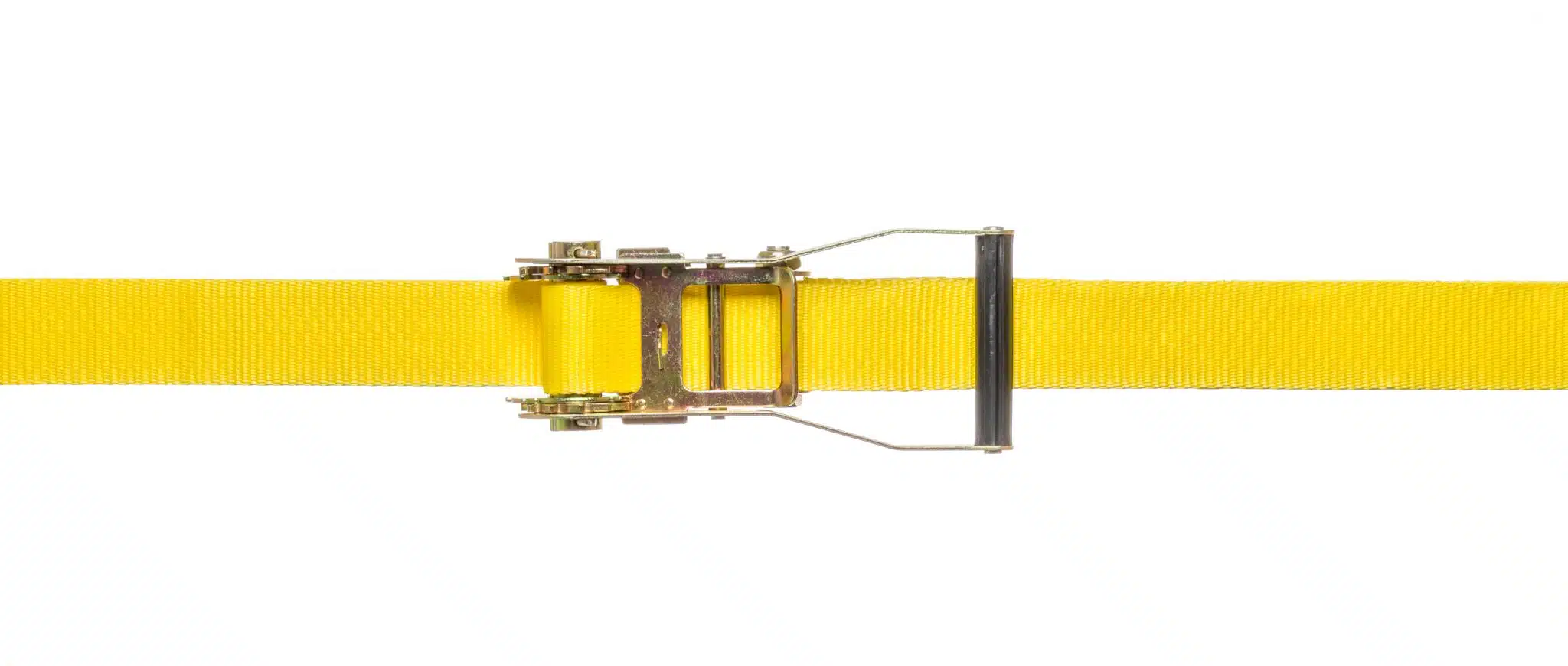
There is a wide range of equipment that’s specifically designed to secure loads during transport. Here are some of the most commonly used options available;
FIX Strap® – The FIX Strap® load restraint system is an innovative and efficient solution to securing cargo. Designed to save time when loading and unloading, while enhancing safety, this system is ideal for a range of transportation needs. Not to mention, the FIX Strap® system is suitable for loads of different shapes and sizes.
Ratchet Straps – These are one of the most popular and reliable securing solutions for a wide range of loads. Ratchet straps, also known as ratchet tie-down straps or cargo straps, will ensure goods remain firmly in place and they allow for precise tensioning. They are often the first choice due to their ease of use.
Internal Cargo Straps – Designed for use inside vehicles, internal cargo straps provide a convenient way to secure loads against internal anchor points. They are particularly useful for smaller loads that need to be kept in place during transit, preventing shifting while braking or turning.
Curtain Buckles – To keep the side curtain on trailers securely in place, curtain buckles are a must-have. They are straightforward to use and once tightly fastened, they will protect loads during transportation. While they aren’t necessarily a securing method, they play an important role in keeping the load area enclosed and supported.
Lashing Rings and Anchor Points – These fixed points are installed inside the vehicle to provide a secure place to attach straps and other securing solutions. Lashing rings allow you to customise your load securing configuration based on the size and shape of your cargo, offering unmatched flexibility.
Assessing Your Load Securing Needs
When comparing the different securing solutions on the market, there are several key factors to consider. Before you purchase equipment for your vehicle, be sure to think about your specific needs, including the following;
Type of Cargo
As you may expect, different types of cargo need different securing methods. From heavy machinery and large pallets to loose items, you need to choose the right securing equipment for the load you’re transporting. You may require various lengths and widths of straps to prevent the cargo from moving around and ensure you’re compliant with UK load securing regulations.
Weight and Size
Generally speaking, the heavier and larger the item you’re transporting, the stronger your load securing solutions need to be. You can’t rely on the weight of the cargo alone to keep it in place while you’re moving. So, make sure your securing equipment is designed to handle the load and always follow the manufacturer’s guidelines.
Vehicle Type
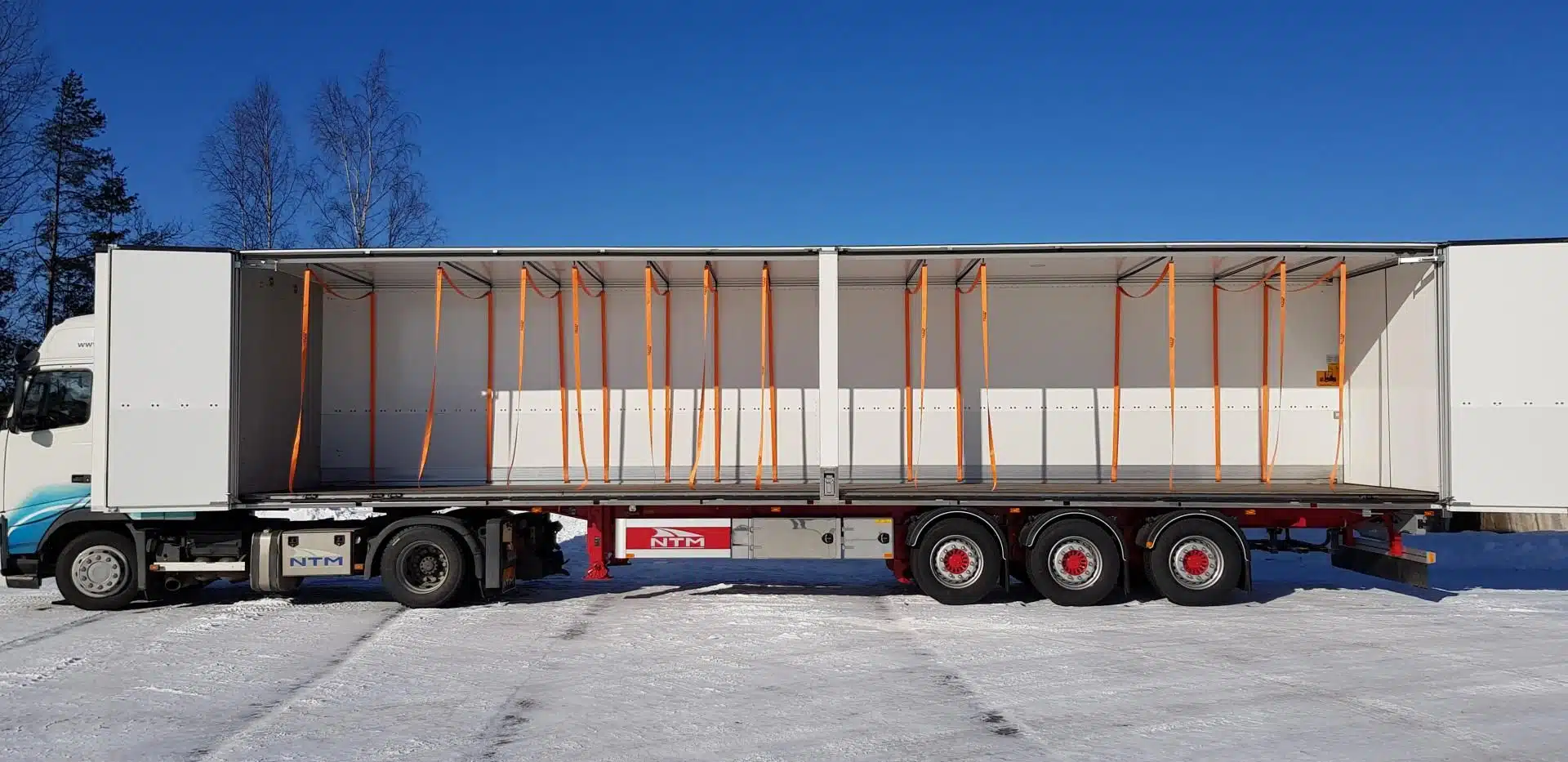
Whether you’re driving a box van, curtainsider or heavy goods vehicle, the load securing system must be able to withstand certain forces. This is key to prevent cargo from moving under normal driving conditions as well as emergency manoeuvres. Ensure you’re opting for suitable securing solutions for your specific type and size of vehicle.
Journey Conditions
The nature of the journey will have a significant impact on the safety and security measures required when transporting cargo. Long-haul journeys or routes with sharp turns, uneven roads or frequent stops will increase the risk to your load and require robust securing solutions. For high-risk transport conditions, extra measures can be taken to provide peace of mind.
Compliance and Safety Standards
As touched on above, it’s essential to make sure your load securing equipment is fully compliant with transport regulations. Using equipment that’s constructed to a BS EN standard, for example, will ensure it’s suitable for its intended purpose, improving safety and ensuring you meet all legal requirements. This will reduce the risk of penalties or liabilities.
Tips for Safe and Effective Load Securing

To reduce the risk of shifting, accidents and damage during transport, preparation is equally as important as protection. There are a few crucial things to do to ensure you secure your cargo safely and effectively for every journey.
Inspect securing equipment before each use – Damaged or worn straps and buckles can compromise safety, causing significant damage.
Use the correct number of straps – Never cut corners on strapping. More is often better, especially with heavier, bulkier or unbalanced loads.
Distribute the load evenly over the axles – Balancing the cargo helps to prevent the vehicle from becoming unstable while driving.
Take steps to keep equipment in good condition – To help reduce wear and tear to straps, use accessories like corner protectors and strap winders.
Provide suitable training to your team – Make sure all drivers and loaders understand the importance of load securing, and know how to use the equipment correctly.
Choose Quality Securing Solutions from Part-Serv
If you’re searching for load securing equipment for your vehicle, be sure to explore the Part-Serv website today. We provide a wide range of load securing solutions to help you transport cargo safely and efficiently. You can turn to us for tried and tested products that meet high industry standards, and we offer fast delivery UK-wide.
With over five decades of experience, our team will be happy to help you find the right solutions for your specific needs. We are on hand to offer expert advice and recommendations, and can make purchasing the right load securing equipment simple and stress-free. Get in touch with us today to find out more about the different options available to keep your cargo safe and your vehicle on the road.

Write A Comment
You must be logged in to post a comment.