
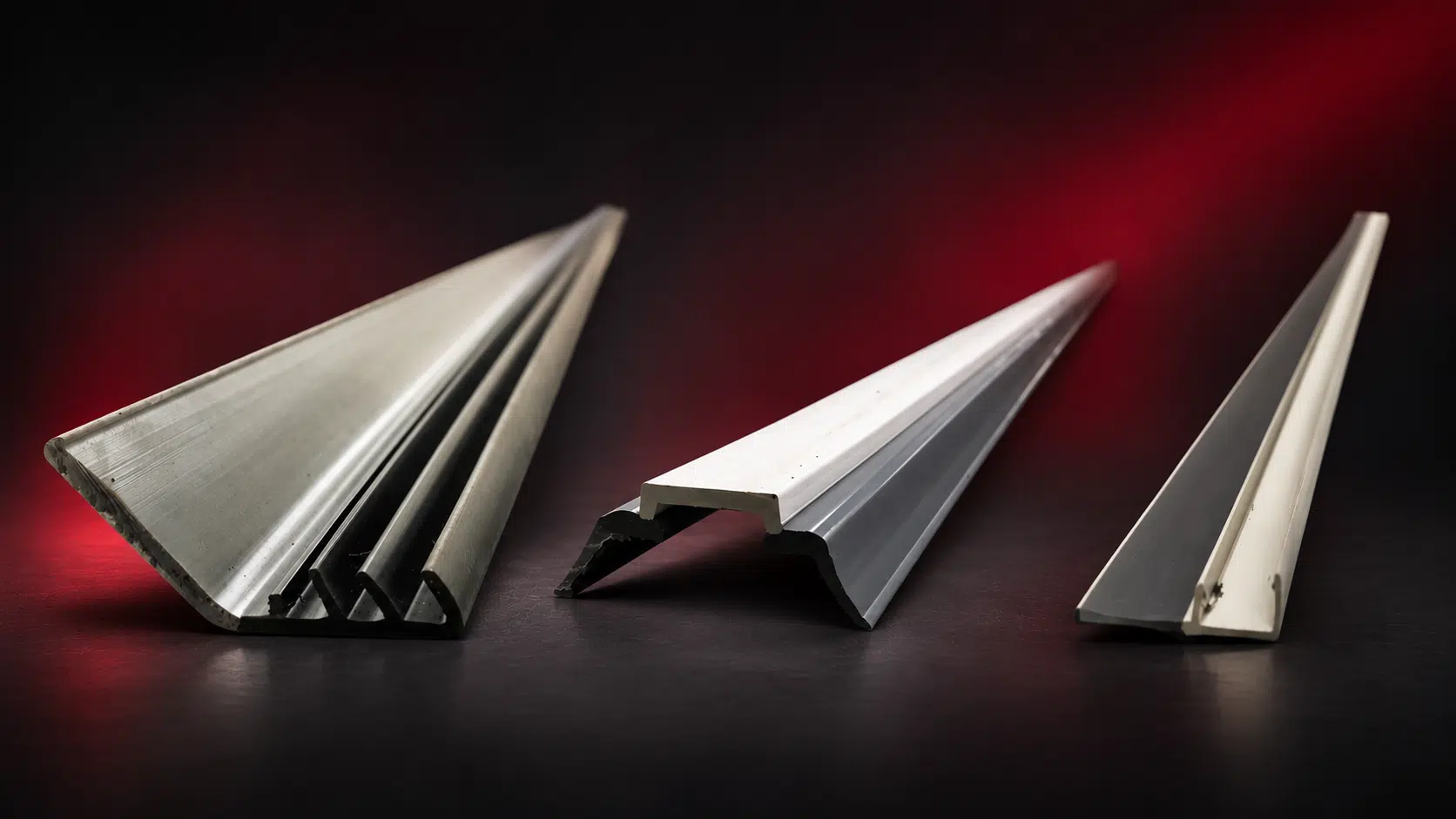

When it comes to commercial vehicle maintenance, trailer door seals might not be the first components that come to mind. However, these relatively simple parts play an important role in helping protect the inside of a vehicle from water, dust and draughts. Over time, seals can become worn, damaged or lose their effectiveness, particularly on vehicles where doors are opened and closed regularly. But how do you know when a trailer door seal needs replacing, and what should you check before ordering a new one? Let’s take a closer look. 1. What Do Trailer Door Seals Do? Trailer door seals are designed to help create a barrier between the door and the surrounding vehicle body. Depending on the type of door and seal fitted, they can help: Different commercial vehicles use different sealing arrangements, so it’s important to identify the type fitted before choosing a replacement. 2. What Are the Common Signs of a Worn Door Seal? Door seals are exposed to regular use, movement and changing weather conditions. Over time, this can affect their condition and performance. Cracks, Splits or Tears One of the most obvious signs of damage is visible cracking or splitting. A damaged section may prevent the seal from making consistent contact with the surrounding surface. Even relatively small areas of damage can create gaps where water or debris may enter. Flattened or Compressed Rubber Some seals rely on their shape and flexibility to create an effective barrier. If the material becomes permanently flattened or loses its ability to recover after compression, it may no longer seal as intended. Loose or Displaced Seals A seal that has moved out of position may leave part of the door opening exposed. It’s worth checking whether the seal itself is damaged or whether its fixing arrangement needs attention. Water or Dust Inside the Vehicle Signs of moisture, dust or dirt around the door opening may indicate that the sealing arrangement needs inspecting. However, water ingress doesn’t automatically mean the seal is faulty. Door alignment, damage to the surrounding bodywork and other potential entry points should also be considered. 3. Are All Trailer Door Seals the Same? No. Commercial vehicle door seals are available in different designs, profiles and lengths. The correct type depends on the door system and the position of the seal. Side Seals Side seals are fitted along the sides of compatible door openings. Their purpose is to help reduce gaps between the door and surrounding frame. For example, Part-Serv supplies a Dry Freight Side Seal 2743mm (30116-ECODF09) for suitable commercial vehicle door applications. We also list a Roller Shutter Side Seal 3.1m (771-021002006) for compatible shutter door systems. Although both products are side seals, their dimensions and intended applications differ. Bottom Seals Bottom seals are designed to help close the gap along the lower edge of a suitable door. They can be particularly important where the door meets the floor or threshold. Part-Serv lists an Insulated Roller Shutter Bottom Seal 2440mm (3013510-000UK) for compatible roller shutter door systems. As with any replacement seal, the length and profile need to be checked against the existing arrangement. Top Seals Some door systems also use seals across the top of the opening. These help reduce gaps around the upper edge of the door. Part-Serv supplies top seal options for compatible roller shutter door systems, including a Top Seal 2440mm Length (30126-W010000). The correct replacement will depend on the original door design and its dimensions. 4. Can a Damaged Door Seal Cause Other Problems? A worn or damaged seal can affect more than the appearance of a door. Depending on the vehicle and its application, an ineffective seal may contribute to: However, it’s important to remember that seals are only one part of the complete door arrangement. If a door isn’t closing correctly, the problem may also involve hinges, rollers, tracks, alignment or other components. Replacing a seal without identifying the underlying issue may not resolve the problem. 5. What Should You Check Before Ordering a Replacement? Choosing a suitable replacement involves more than simply finding a seal that looks similar. There are several useful details to check first. Door type: Is the seal fitted to a roller shutter, dry freight door or another door arrangement? Seal position: Do you need a top, side or bottom seal? Length: What is the required length of the replacement? Profile: Does the shape and cross-section match the original seal? Material and flexibility: Is the replacement suitable for the intended application? Fixing arrangement: How is the existing seal secured to the door or frame? Manufacturer or part number: Are there any markings, references or specifications available? It’s also worth checking the condition of the surrounding door components before fitting a replacement. If you’re unsure which seal is required, photographs of the existing seal and its profile can be particularly useful. 6. Should You Replace a Door Seal as Soon as It Shows Wear? Not every mark or sign of ageing means a seal needs replacing immediately. The important question is whether the seal is still performing its intended function. A seal that remains secure, flexible and effective may continue to be suitable for use. However, if it is split, displaced, badly compressed or no longer making proper contact, replacement may be necessary. Regular inspections can help identify problems before they become more significant. It’s also worth checking seals when carrying out other door maintenance, particularly on vehicles that are used frequently. 7. Why Choosing the Correct Replacement Matters A replacement door seal needs to be compatible with the existing door system. Using an unsuitable profile or incorrect length may prevent the seal from fitting or performing as intended. This can result in continued gaps, poor sealing or difficulties with the door arrangement. Checking the original part, measurements and door manufacturer can help reduce the risk of ordering an unsuitable replacement. And where the correct part isn’t immediately obvious, getting advice before ordering can save time. Need Replacement Trailer Door Seals? Part-Serv supplies a

-
All Categories
- Bulk Buy
- Clearance Sale
- Commercial Body Parts
- Engineers Equipment
- Load Restraint
- Shutter Door Parts
- Tail Lift Parts
- Wheel Safety