

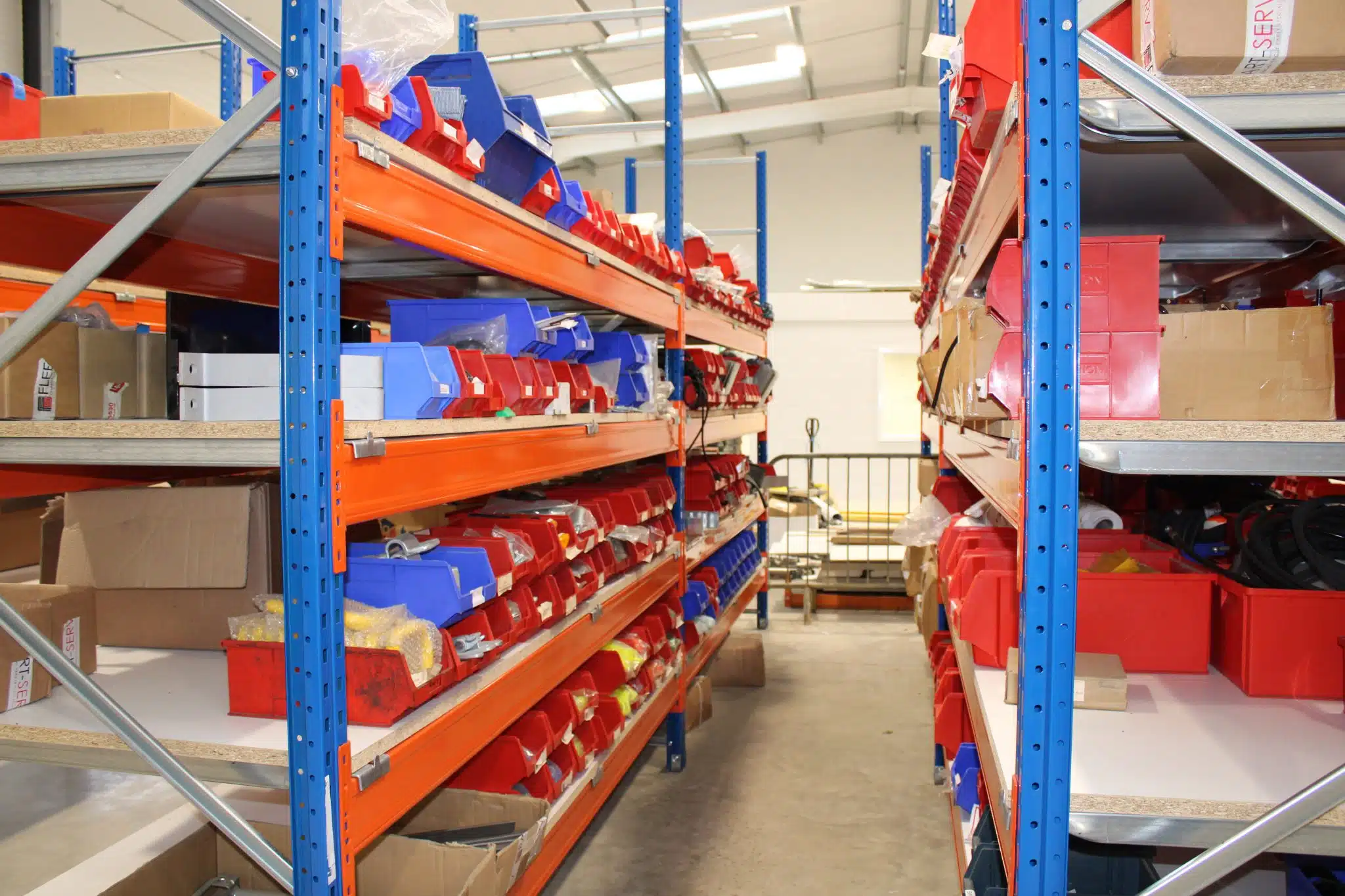
There are some parts you only order when you need them.
Then there are the things you seem to reach for every other day.
For a busy commercial vehicle workshop, running out of a small part or everyday consumable can be surprisingly frustrating – particularly when it’s the one thing stopping an otherwise straightforward job from being completed.
Keeping sensible levels of commonly used workshop stock can help reduce unnecessary delays, make planned maintenance easier and save engineers from having to wait for relatively inexpensive items.
That doesn’t mean filling your stores with every possible spare part.
It’s about knowing what your workshop uses regularly and making sure the basics are there when you need them.
Here are 10 types of parts and consumables worth considering for your workshop shelves.
1. Nuts, Bolts & Fasteners
It’s difficult to imagine many commercial vehicle workshops getting through a week without reaching for some form of nut, bolt, washer or fastener.
They’re used across vehicle body repairs, tail lift work, shutter doors and general maintenance – and somehow the exact size you need always seems to be the one that’s missing!
Keeping a sensible selection of commonly used sizes can make everyday repairs much easier.
Your requirements will depend on the type of work your workshop carries out, so look at what your engineers are regularly requesting and build your stock around actual usage.
2. Electrical Consumables
Electrical faults and repairs are a regular part of commercial vehicle maintenance, making electrical consumables another useful workshop staple.
Depending on the work you carry out, this might include:
- Fuses
- Relays
- Electrical connectors
- Terminals
- Cable
- Heat shrink
- Switches
- Cable ties
These aren’t necessarily expensive components, but not having the right one available can bring a job to a frustrating stop.
Keeping frequently used electrical items organised and clearly labelled can also save engineers time searching through drawers and boxes for the right component.
3. Sealants, Adhesives & Lubricants
Sealants and lubricants are another group of products that workshops can get through quickly.
Different jobs require different products, so your stock should reflect the work you actually carry out.
Rather than waiting until somebody uses the last tube or can, consider setting minimum stock levels for the products your engineers rely on most frequently.
They’re easy items to overlook until someone asks:
“Who used the last one?”
4. Cutting & Drilling Consumables
Cutting discs, drill bits and similar workshop consumables are designed to be used – which means they’re also designed to run out.
A workshop may have all the right tools available, but those tools aren’t much help if the consumable needed to do the job has disappeared from the shelf.
Look at the sizes and types your engineers use most frequently and consider keeping an appropriate quantity available.
For high-use items, a simple minimum stock level can prevent unnecessary last-minute orders.
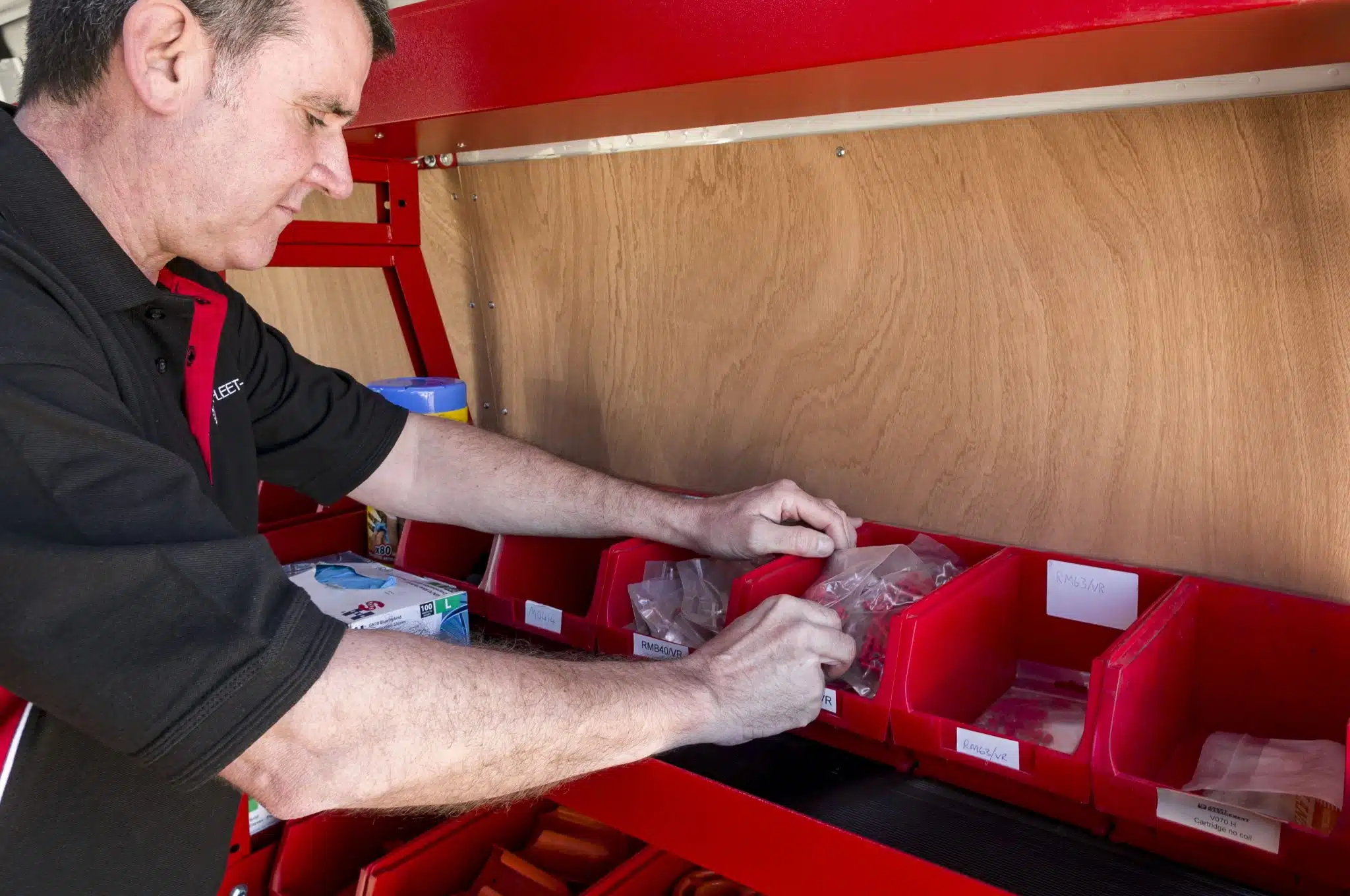
5. Shutter Door Rollers
If your workshop regularly maintains vehicles fitted with roller shutter doors, commonly used rollers may be worth considering as workshop stock.
Rollers are relatively small components but can have a big impact on how smoothly a shutter door operates.
Keeping the appropriate types available may make sense where you look after multiple vehicles using the same or similar shutter door systems.
The key here is knowing your fleet.
There is little value in stocking a shelf full of rollers you’ll never use. But if you know you’re regularly replacing the same component, having one ready could save valuable time.
6. Shutter Door Cables
The same principle applies to shutter door cables.
Cables should be regularly inspected for signs of wear, fraying, corrosion or damage.
Where your workshop maintains a number of similar vehicles and you know which cables are commonly required, keeping appropriate replacements available can help turn a planned repair into a straightforward job.
Just make sure you’re confident you have the correct specification for the application.
7. Common Tail Lift Components
Tail lifts contain a huge variety of components, so we’re certainly not suggesting keeping an entire tail lift parts department in your workshop!
But if your fleet uses the same manufacturer or model of tail lift across multiple vehicles, it may be worth looking at your repair history.
Are there certain switches, pins, bushes, rollers, fuses or other smaller components that you order repeatedly?
Those are the parts worth considering.
Your own maintenance records are one of the best ways to decide what should – and shouldn’t – earn a permanent place on your workshop shelf.
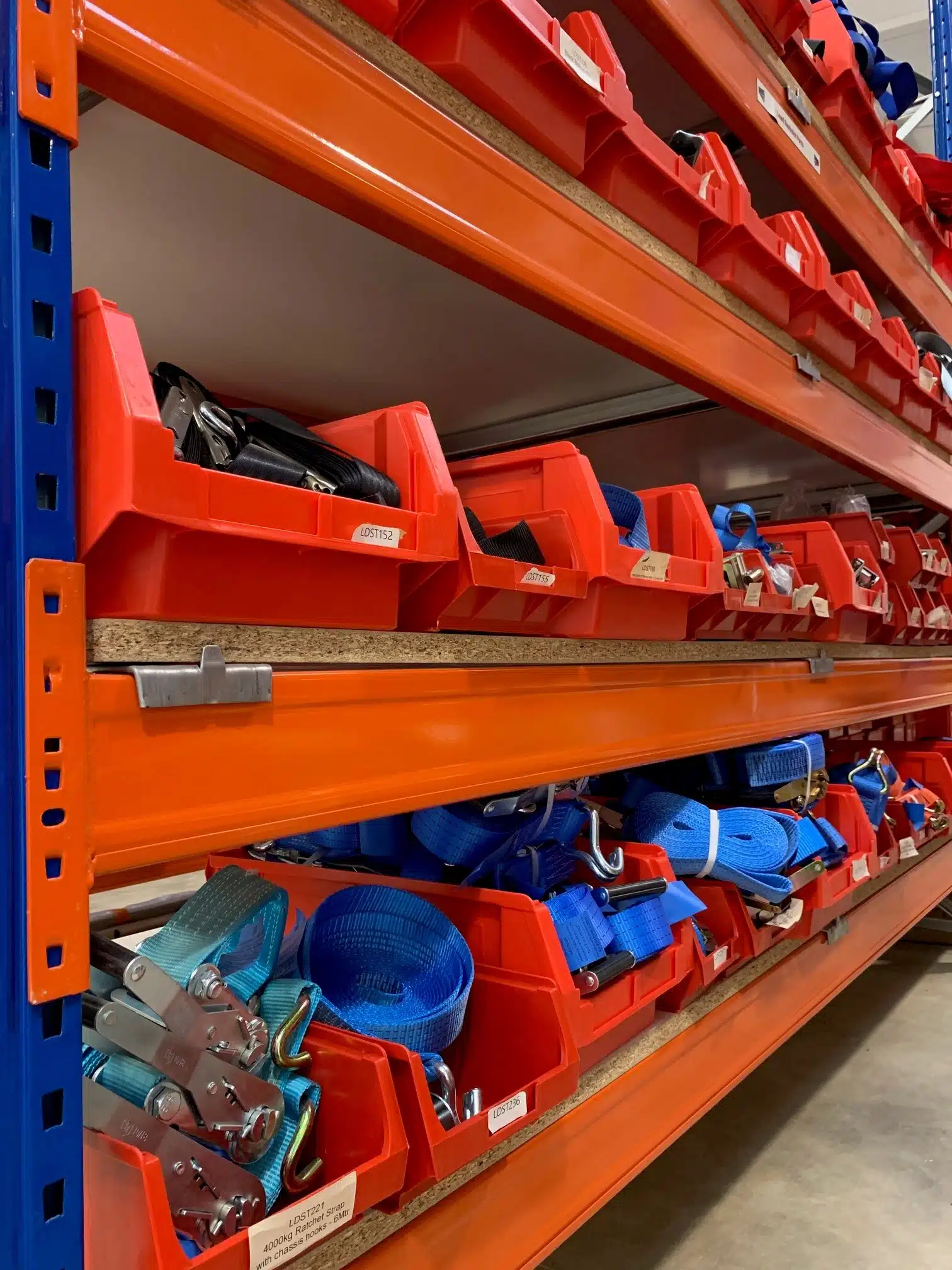
8. Load Restraint Equipment
Load restraint equipment is used day in, day out and can become damaged or worn through normal operation.
Depending on your vehicles and loads, useful stock could include:
- Internal cargo straps
- Ratchet straps
- Curtain buckles
- Lashing components
- Replacement fittings
Having suitable replacements available means damaged equipment can be taken out of use rather than somebody being tempted to put it back because there isn’t another one available.
As always, make sure replacement equipment is appropriate for its intended use and required capacity.
9. Wheel Nut Indicators & Retainers
Wheel nut indicators and retainers are small, easy to store and straightforward to keep organised.
If they’re already part of your fleet’s wheel safety procedures, keeping the sizes and types used across your vehicles available can make replacing missing or damaged items much easier.
It’s another example of a relatively small component that doesn’t need to become an unnecessary delay.
10. PPE & Everyday Workshop Essentials
Not everything on your workshop shelf has to be attached to a vehicle.
PPE and everyday engineer equipment are just as important to keep on top of.
Depending on your workplace and risk assessments, this might include items such as:
- Gloves
- Eye protection
- Disposable PPE
- Cleaning products
- Workshop wipes
- Other frequently used engineer supplies
Your specific PPE requirements should always be determined by the work being carried out and the appropriate risk assessment.
From a stock point of view, however, the principle is the same:
If your team uses it regularly, don’t wait until the shelf is empty before ordering more.
How Much Workshop Stock Should You Keep?
There’s no single answer.
A workshop maintaining five vehicles will have very different requirements to a large fleet workshop looking after dozens or hundreds.
Instead of trying to create a universal stock list, look at your own operation.
Ask yourself:
- What do we order most often?
- Which small parts regularly hold jobs up?
- Which vehicles or equipment do we have multiple examples of?
- Which consumables do we regularly run out of?
- Which components have predictable replacement patterns?
Then use that information to create your own core stock list.
For regularly used items, you could also set minimum and maximum quantities.
For example:
Minimum: When stock reaches this level, reorder.
Maximum: The amount you normally want to hold.
It doesn’t need to be complicated.
Even a simple system can be better than discovering you’ve run out when an engineer is halfway through a job.
Don’t Forget to Review What’s on the Shelf
Workshop stock shouldn’t be a “set it and forget it” exercise.
Vehicles change.
Equipment changes.
The parts your engineers use change.
Review your stock periodically and ask whether you’re still holding the right things.
If something hasn’t moved for two years, does it still need to be there?
If you’re ordering the same component every month, should you hold more of it?
Good stock management isn’t necessarily about having more parts.
It’s about having the right parts.
Turn Your Repair History Into Your Shopping List
One of the easiest places to start is your previous parts orders.
Look back at what your workshop has purchased over the last six or twelve months.
You may quickly start to see patterns.
The same fuse.
The same roller.
The same connector.
The same shutter cable.
The same tail lift switch.
Those repeat purchases can help you build a workshop stock list based on what your business actually uses rather than what you think you might need.
Need Help Building Your Workshop Stock?
Part-Serv supplies commercial vehicle workshops and fleet operators with everything from everyday engineer consumables to tail lift, shutter door, load restraint, commercial body and wheel safety parts.
If there are products your workshop uses regularly, speak to our parts team about what you need.
And if you don’t know the part number?
You already know the answer.
Send us a photo. 📸
Email: sales@part-serv.com
Call: 01733 977584
The right parts. On the shelf. Ready when you need them.

Write A Comment
You must be logged in to post a comment.