

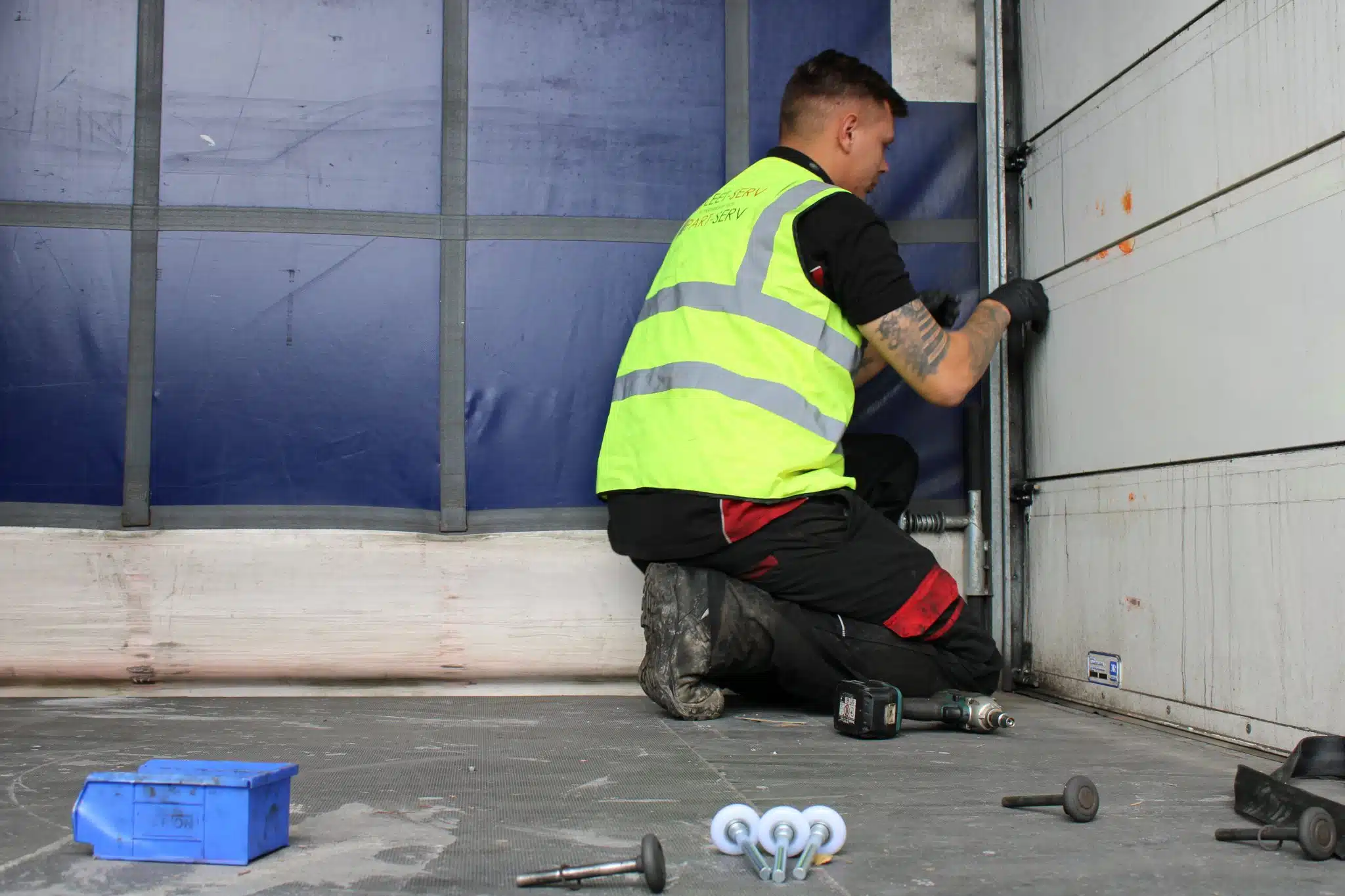
Roller shutter doors are designed to be opened and closed repeatedly, often many times throughout a working day.
Over time, that repeated use means components can wear, become damaged or move out of adjustment.
The first sign might be something relatively minor.
The door feels heavier.
It doesn’t move as smoothly.
There’s an unusual noise.
It starts sticking halfway.
Ignore those signs and a small problem can potentially become a much more inconvenient one.
So, what should you look for when a commercial vehicle shutter door isn’t operating as it should?
1. The Shutter Door Is Becoming Difficult to Open
If a shutter door that previously operated smoothly starts becoming more difficult to open, don’t just assume that’s normal wear and carry on.
Something has changed.
There are several components that may need to be inspected, including:
- Rollers
- Cables
- Tracks
- Springs or balancer components
- Hinges
- Seals
- Other moving components
Look for anything obviously damaged, worn, loose or out of position.
A door becoming progressively more difficult to operate is a good reason to investigate before it becomes unusable.
2. Check the Rollers
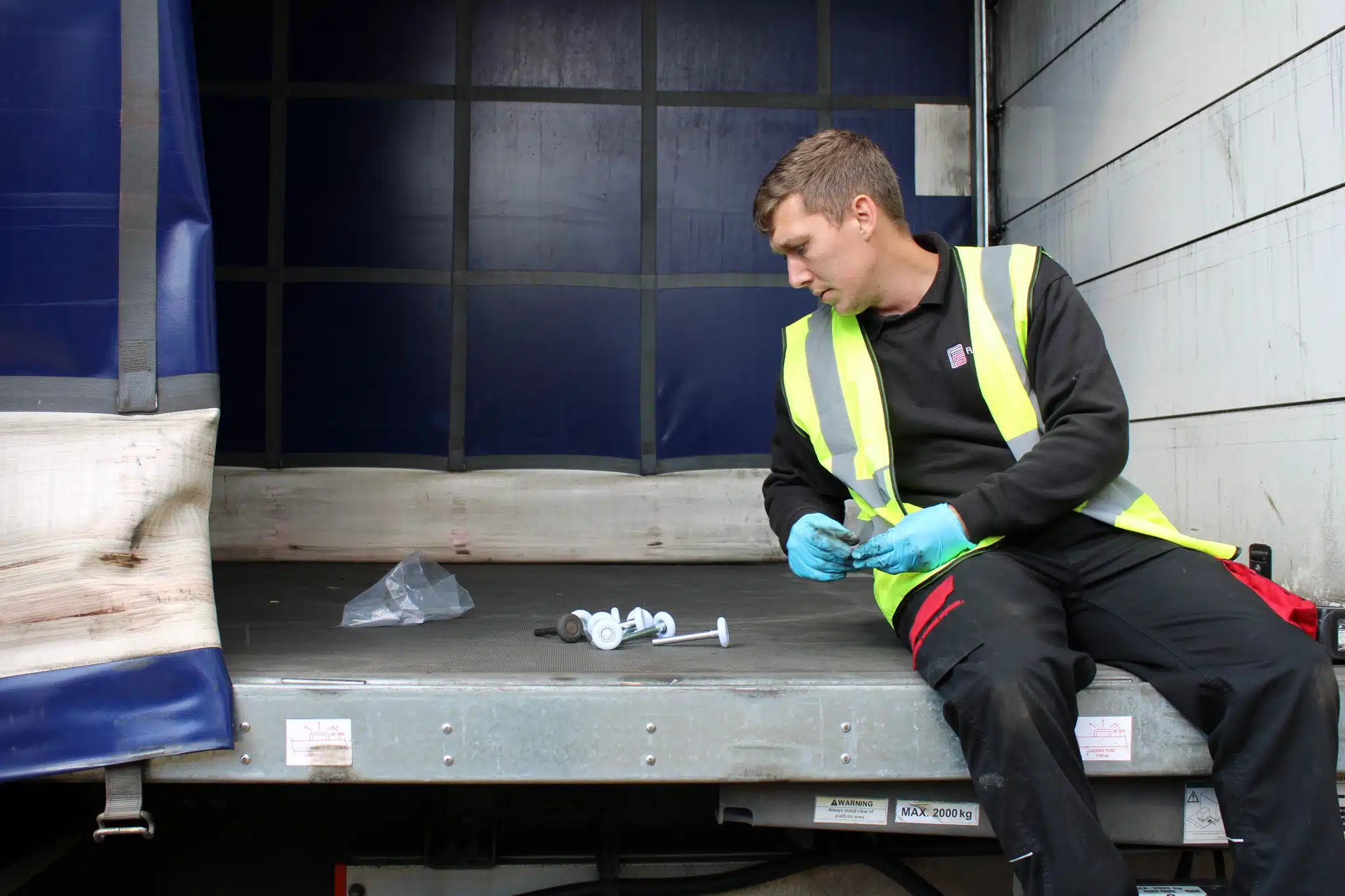
Shutter door rollers are relatively small components, but they have an important job.
They help guide the shutter through its tracks as the door opens and closes.
Over time, rollers can become:
- Worn
- Cracked
- Damaged
- Loose
- Seized
- Misshapen
A damaged roller may affect how smoothly the shutter travels.
If the door is sticking, moving unevenly or making unusual noises, the rollers are one of the areas worth inspecting.
3. Inspect the Shutter Cables
Cables are another component that shouldn’t be ignored.
Regularly look for signs such as:
- Fraying
- Corrosion
- Kinks
- Broken strands
- Visible damage
- Uneven tension
- Damage around cable attachment points
A cable that is beginning to deteriorate should be dealt with appropriately rather than simply waiting for it to fail completely.
If you’re sourcing a replacement cable, don’t rely on appearance alone.
Length, diameter, fittings and shutter specification may all matter.
4. The Door Is Moving Unevenly
A shutter door that appears to rise more on one side than the other is telling you that something isn’t right.
There may be several possible reasons, so avoid jumping straight to a conclusion.
Inspect the shutter system for obvious signs of:
- Damaged rollers
- Cable problems
- Track issues
- Loose components
- Visible damage
- Components sitting incorrectly
Continuing to force a shutter door that isn’t moving correctly could cause further damage.
The cause should be properly investigated.
5. The Door Keeps Sticking
If a shutter repeatedly sticks at the same point, take note of where it happens.
Inspect the tracks and surrounding components for anything obvious.
Look for:
- Dirt or debris
- Track damage
- Damaged rollers
- Loose components
- Misalignment
- Physical damage to the shutter
Sometimes knowing exactly where the door sticks can be useful information for the person investigating the fault.
6. Check the Seals
Shutter door seals are easy to overlook because they don’t have the same obvious mechanical role as a cable or roller.
But they still need attention.
Check for:
- Tears
- Splits
- Missing sections
- Hardened rubber
- Deterioration
- Gaps when the shutter is closed
Damaged seals can allow water, dirt and debris into the load area and may affect how the shutter closes.
They are often relatively straightforward components to replace – provided you identify the correct profile and size.
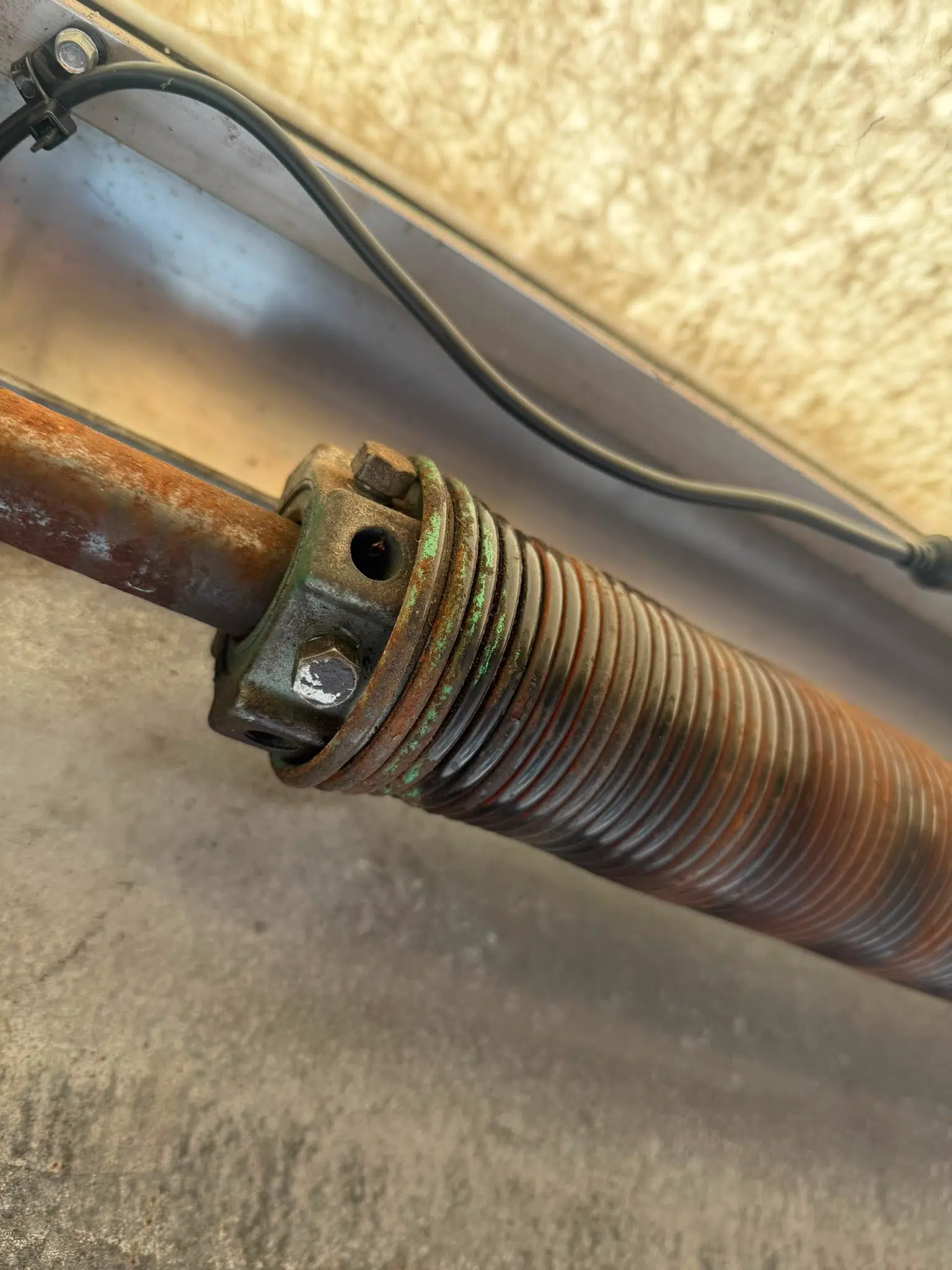
7. Springs & Balancer Components
Depending on the shutter door system, springs and balancer components can assist with the operation of the door.
These are components where correct identification and appropriate repair procedures are particularly important.
If there appears to be a problem with the spring or balancing mechanism, don’t dismantle or adjust components unless you’re competent and authorised to carry out the work.
Instead, identify the shutter manufacturer and gather as much information as possible about the system.
8. Listen to the Door
You don’t always have to see a problem to know something has changed.
Listen.
Has the shutter started:
- Squeaking?
- Grinding?
- Rattling?
- Scraping?
- Making a noise at one particular point?
An unusual noise doesn’t tell you exactly which part needs replacing, but it can be an early indication that something requires inspection.
Identifying Replacement Shutter Door Parts
Once you’ve identified a worn or damaged component, the next challenge is finding the correct replacement.
Where possible, provide:
- Shutter door manufacturer
- Part number
- Clear photographs
- Measurements
- Cable length or diameter where relevant
- Roller dimensions
- Photos of mounting points
- Photos showing where the component fits
And don’t throw the old component away until you’re confident you have everything you need from it.
Sometimes the original part is the best identification tool you’ve got.
Small Signs Are Worth Investigating
A shutter door doesn’t necessarily go from working perfectly to completely failing overnight.
There are often signs that something is wearing.
A frayed cable.
A cracked roller.
A damaged seal.
A door becoming progressively heavier.
Unusual movement.
A new noise.
Routine inspection and dealing with wear appropriately can help prevent an inconvenient problem from becoming a bigger one.
Need a Shutter Door Part?
Part-Serv supplies a wide range of commercial vehicle shutter door components, including cables, rollers, seals and other replacement parts.
Not sure what you’ve got?
Send our parts team a photograph, manufacturer details, measurements and any part numbers or markings you can find.
We’ll help you identify the correct component.
📧 Email: sales@part-serv.com
📞 Call: 01733 977584
Keep it rolling. Keep it moving.

Write A Comment
You must be logged in to post a comment.