

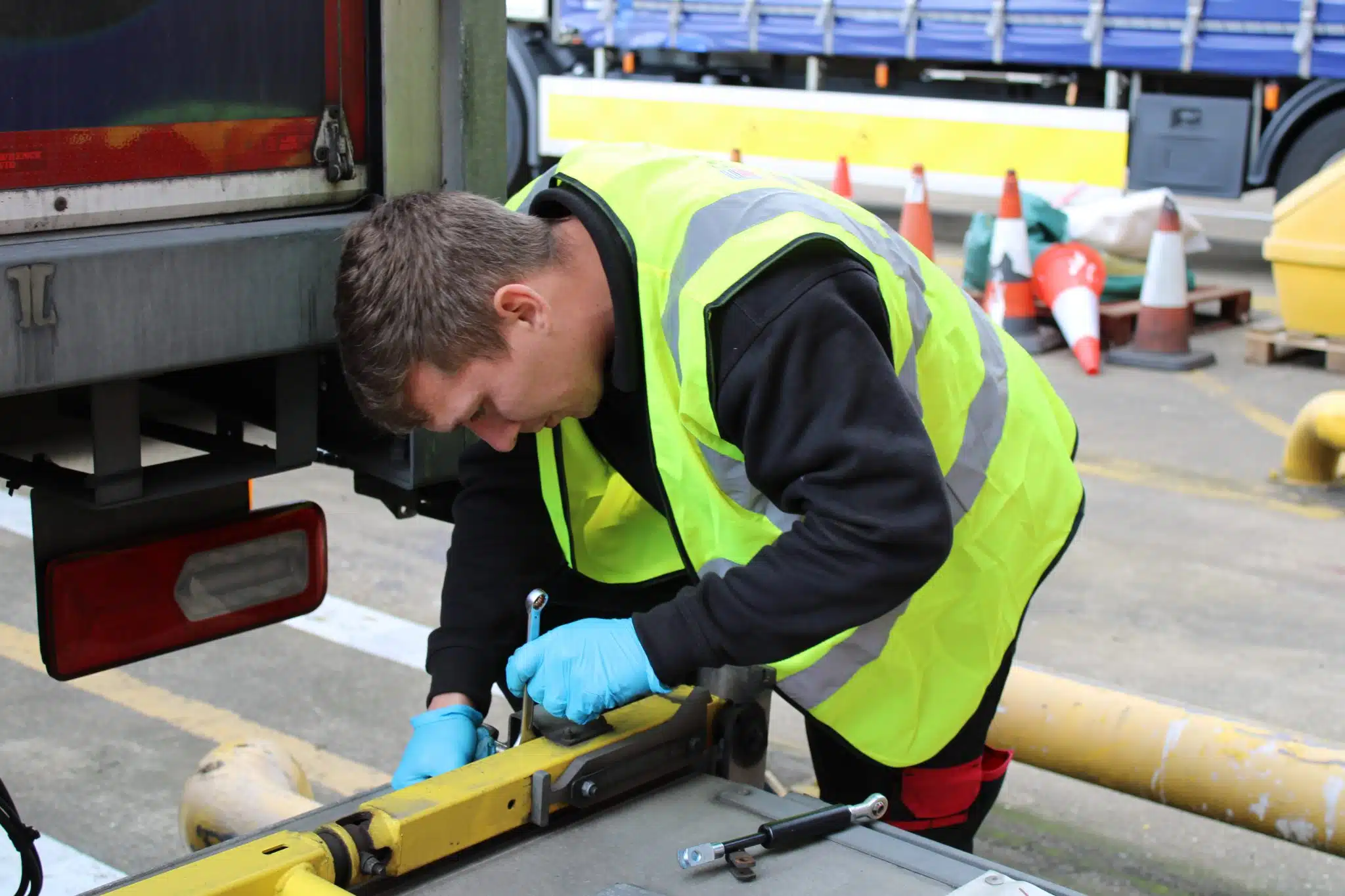
When you’re running a commercial vehicle or managing a fleet, it’s often the smaller components that are easiest to overlook.
A worn roller, fraying cable or damaged seal might not seem particularly urgent when the vehicle is still doing its job. But leave it too long and a relatively straightforward replacement can quickly turn into an unexpected repair – and a vehicle you didn’t plan to have off the road.
Regular maintenance isn’t just about reacting when something stops working. Spotting signs of wear early can help you plan repairs, order the parts you need and keep vehicles moving.
Here are seven areas worth keeping an eye on.
1. Roller Shutter Door Cables
Shutter doors are opened and closed repeatedly throughout the working day, and the cables form an important part of that operation.
Over time, cables can become worn, damaged or frayed.
Things to look out for include:
- Visible fraying
- Kinks or damaged sections
- Corrosion
- Uneven cable tension
- A shutter door becoming more difficult or uneven to operate
If something doesn’t look right, it’s worth investigating rather than waiting for the cable to fail completely.
A shutter door that suddenly becomes difficult to use can quickly become more than just an inconvenience – particularly when the vehicle is needed for deliveries or collections.
2. Shutter Door Rollers
Rollers might be small, but they play an important part in keeping a shutter door moving smoothly through its tracks.
Worn, damaged or seized rollers can make the door increasingly difficult to operate and can contribute to further wear elsewhere in the system.
During routine checks, look for rollers that are:
- Cracked or visibly damaged
- Excessively worn
- Loose
- Seized or no longer rotating freely
- Causing the door to move unevenly
If a shutter door suddenly feels heavier, sticks in certain positions or isn’t travelling smoothly, the rollers are one of the areas worth checking.

3. Shutter Door Seals
Seals don’t have any complicated moving parts, which makes them very easy to forget about.
However, damaged or deteriorated seals can allow water, dirt and debris into the load area and may affect how well the door closes.
Check around the sides and bottom of the shutter door for:
- Splits
- Tears
- Missing sections
- Hardened or deteriorated rubber
- Gaps when the door is closed
Replacing a worn seal is a relatively simple maintenance job that can help protect both the vehicle and whatever is being carried inside it.
4. Tail Lift Pins, Bushes and Rollers
Tail lifts are hard-working pieces of equipment, particularly on vehicles carrying out multiple deliveries every day.
Pins, bushes and rollers are all subject to repeated movement and wear.
Signs that something may need further attention can include:
- Excessive movement or play
- Visible wear
- Damaged or worn bushes
- Unusual movement during operation
- Components no longer sitting or moving as expected
These are exactly the kinds of smaller components that are worth picking up during routine maintenance rather than waiting for the problem to become more significant.
If you’re unsure which pin, bush or roller you need, manufacturer details, measurements and photographs can all help with identifying the correct replacement.
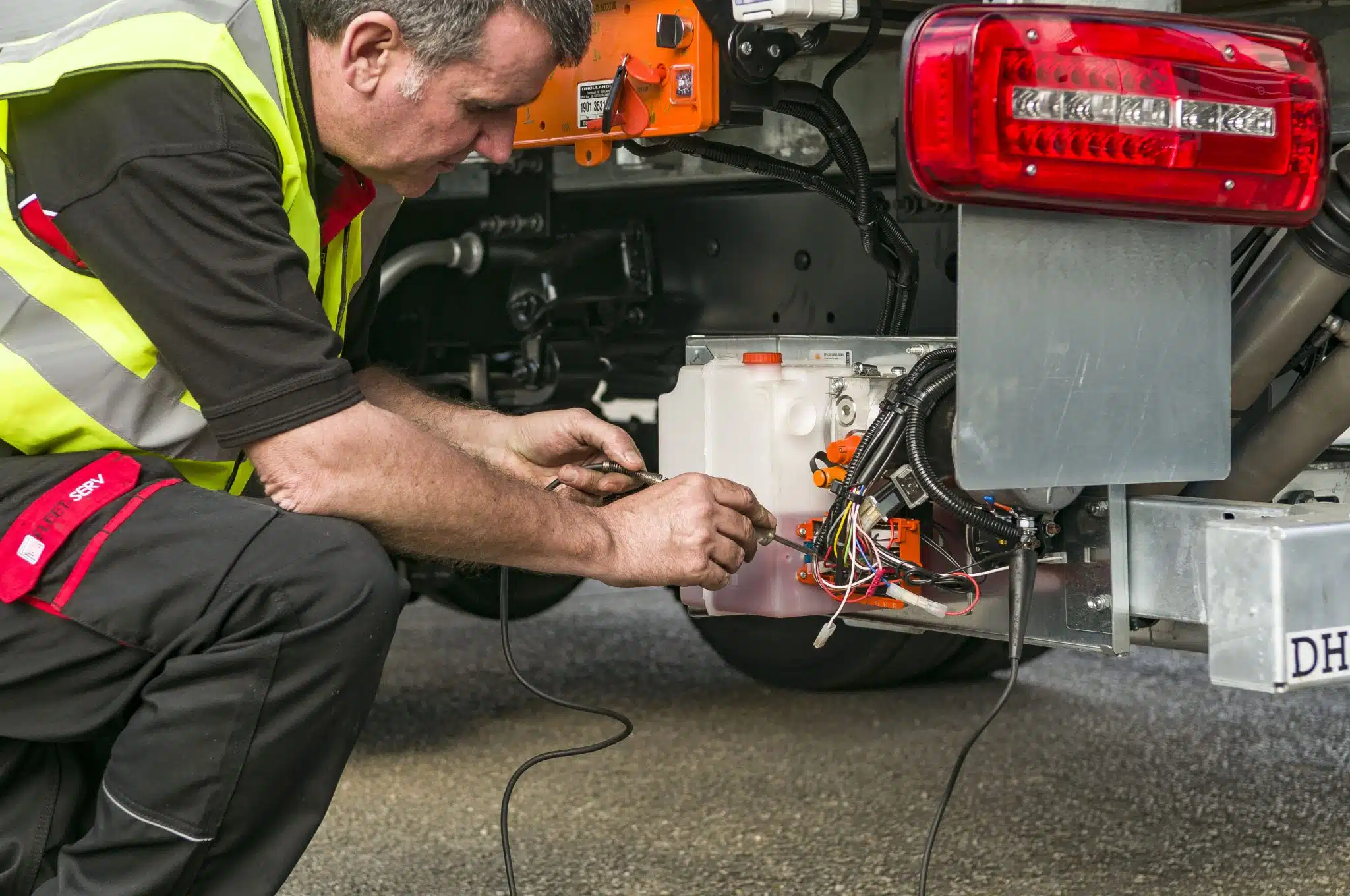
5. Tail Lift Controls and Electrical Components
Sometimes a tail lift problem isn’t hydraulic or mechanical – it can be something much simpler within the control or electrical system.
Controls, switches, connectors, fuses and cables all operate in demanding environments and can be affected by repeated use, moisture, dirt and accidental damage.
Things worth checking include:
- Damaged buttons or switches
- Loose connections
- Damaged cables
- Corrosion around electrical connections
- Intermittent operation
- Controls becoming unreliable
Electrical faults should always be properly investigated rather than assuming that a particular component is responsible.
But spotting obvious physical damage early can help prevent an inconvenient failure later.
6. Load Restraint Equipment
Load restraint equipment is another area where regular visual checks are important.
Straps and other securing equipment can become damaged through everyday use, contact with loads and general wear.
Look for:
- Cuts or tears
- Fraying
- Damaged stitching
- Damaged fittings or hooks
- Excessive wear
- Components that no longer operate correctly
If load restraint equipment shows signs of damage or deterioration, it shouldn’t simply be put back into use without considering whether it remains suitable and safe.
Making load restraint checks part of routine vehicle inspections can help ensure damaged equipment is identified before it is needed.
7. Wheel Nut Indicators and Retainers
Wheel safety products provide a simple visual way of helping identify movement or changes around wheel nuts.
Because they are easy to see, they can also be included in routine walk-around checks.
Look for:
- Missing indicators
- Damaged indicators
- Indicators that have moved from their expected position
- Damaged retainers
- Anything unusual around the wheel fixings
They shouldn’t replace the appropriate wheel maintenance and inspection procedures, but they can provide an additional visual indication that something may need further investigation.
Small Parts Can Create Big Problems
Not every vehicle breakdown starts with a major component failure.
Sometimes it’s a cable.
Sometimes it’s a roller.
Sometimes it’s a switch, seal, connector or other relatively inexpensive component that has gradually worn out.
The key is spotting it early.
Regular inspections and preventative maintenance give workshops and fleet operators an opportunity to deal with wear in a planned way rather than waiting until a component fails when the vehicle is needed.
It can also give you time to identify and order the correct replacement part before the vehicle reaches the workshop.
Need a Replacement Part?
If you’ve spotted a worn or damaged component during a vehicle inspection, Part-Serv can help.
We stock a wide range of tail lift, shutter door, load restraint, commercial vehicle body and wheel safety parts from leading manufacturers.
Not sure which replacement you need?
Send our parts team a photo, manufacturer details, measurements or a part number if you have one, and we’ll help you identify the correct component.
📧 Email: sales@part-serv.com
📞 Call: 01733 977584
Keep an eye on the small parts today – before they become a bigger problem tomorrow.

Write A Comment
You must be logged in to post a comment.