

-
All Categories
- Bulk Buy
- Clearance Sale
- Commercial Body Parts
- Engineers Equipment
- Load Restraint
- Shutter Door Parts
- Tail Lift Parts
- Wheel Safety














Featured Products




When it comes to commercial vehicle electrical parts, choosing the right replacement isn’t always as simple as finding something that looks the same. A relay might have the same number of pins. A switch might look identical. And two fuses might be the same size. But that doesn’t necessarily mean they’re interchangeable. One of the most important things to check is whether a component is suitable for a 12V or 24V electrical system. So, what’s the difference, and why does it matter? Let’s take a look at some common commercial vehicle electrical components, what they do and what to check before ordering replacements. 1. What’s the Difference Between 12V and 24V? You’ll often see electrical components labelled 12V or 24V. These numbers refer to the voltage of the electrical system they’re designed to work with. 12V systems are commonly found in cars, vans and light commercial vehicles. 24V systems are more commonly used in larger commercial vehicles, including many HGVs. Both systems do similar jobs, but they operate at different voltages. A 24V system can deliver the same amount of power using less electrical current than a 12V system, which can be useful for larger vehicles and equipment. But here’s the important part: A component designed for 12V won’t necessarily work correctly in a 24V system, and vice versa. Some electrical parts are suitable for more than one voltage, but you should always check their specifications rather than assume. 2. Why Does Choosing the Correct Voltage Matter? Imagine you’re replacing a relay or switch on a commercial vehicle. You’ve found a replacement that looks almost identical to the original. Same shape, similar connections and the same number of pins. It should fit, right? Not necessarily. If the replacement has the wrong electrical rating, it might not work correctly. In some cases, it could also damage the component or connected equipment. That’s why checking the voltage is just as important as checking the physical size. For example, Part-Serv supplies electrical components including a 12V LED Red Rocker Switch and a 24V 5 Pin Changeover Relay. These are different types of products, but both demonstrate why electrical specifications matter. The key is to match the replacement to the requirements of the original equipment. 3. Fuses: Small Parts with an Important Job Fuses are used to protect electrical circuits from excessive current. If too much current flows through a circuit, a correctly specified fuse is designed to interrupt it. This helps protect wiring and electrical equipment. Commercial vehicles and associated equipment can use several different types of fuses. Part-Serv’s range includes: What Do the Numbers on a Fuse Mean? You’ll often see fuses marked with numbers such as 125A, 200A or 250A. The A stands for amps, which is a measurement of electrical current. You might also see a voltage rating, such as 32V. For example, Part-Serv lists a 32V 250A MEGA Fuse. That doesn’t mean it’s specifically designed for a 32V vehicle. The 32V marking indicates the fuse’s rated maximum operating voltage. Its ability to safely interrupt a fault also depends on its specified breaking capacity and the circuit conditions. Whether it’s suitable for a particular 12V or 24V application depends on the circuit requirements and the fuse’s full specifications. Can You Fit a Higher-Rated Fuse? If a fuse keeps blowing, fitting one with a higher amp rating might seem like an easy solution. But it isn’t. Fuses are selected to protect specific circuits, so fitting an incorrectly rated fuse could leave wiring or equipment inadequately protected. If a fuse repeatedly fails, the cause needs investigating rather than simply increasing its rating. 4. Relays: What Do They Actually Do? Relays are another common electrical component. Put simply, a relay is an electrically operated switch. It allows one electrical circuit to control another, often allowing a lower-current control circuit to switch equipment that needs more current. You’ll find relays used in all sorts of vehicle and equipment applications. Part-Serv lists several types, including: Although they all fall under the heading of relays, they don’t necessarily do the same job. What Should You Check? When replacing a relay, look at the voltage, number of pins, current rating, contact ratings, terminal layout and switching arrangement. For example, a five-pin changeover relay may work differently from a relay with a simple on/off switching arrangement. Even if the two look similar, the connections and functions may not match. Checking the part number and markings on the original relay is usually a good starting point. 5. Switches and Controls: More Than Just On and Off Commercial vehicles and tail lifts use different switches and controls to operate equipment. Some are straightforward on/off switches. Others control several functions or form part of more complex operating systems. Part-Serv supplies a range of components, including: Each has a different purpose. For example, a battery isolator is used to disconnect a battery circuit in a suitable installation. A rocker switch might control an electrical function, while a limit switch can detect when equipment reaches a particular position. Emergency stop switches are used as part of equipment safety systems. The important thing to remember is that switches aren’t automatically interchangeable just because they look alike. Their voltage, current rating, connections and operating functions all need to be suitable for the equipment. This is particularly important when replacing components involved in safety functions. 6. Connectors, Cables and Terminals: Getting the Connection Right Connectors, cables and terminals might not be the first things that come to mind when thinking about vehicle electrical systems. But they’re essential for connecting electrical components and equipment. Part-Serv’s range includes: These products come in different sizes and designs because they’re used for different applications. Why Does the Connector Type Matter? Take Anderson connectors as an example. Part-Serv supplies a 175A Anderson Connector Grey, along with associated leads and connector pins. When replacing a connector, it’s important to check more than just its appearance. The connector type, current rating, cable size and compatibility with the matching connector all matter. The
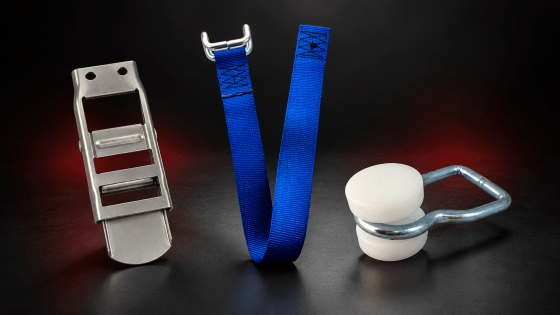
Curtainsider trailers are designed to make loading and unloading more accessible, but keeping the curtain operating correctly depends on several smaller components working together. From buckles and bottom straps to rollers, hangers and tensioners, each part has a role in how the curtain moves, fastens and remains secured. Over time, regular use, exposure to the elements and general wear can affect these components. Sometimes the signs are obvious. A frayed strap, a broken buckle or a damaged fitting. Other times, the first indication is simply that the curtain has become harder to operate. Recognising these warning signs can help identify components that need attention before they cause further problems. Here are five signs worth looking out for. 1. Curtain Buckles Are Difficult to Fasten or Release Curtain buckles are used in many curtainsider fastening arrangements, helping secure the curtain through the appropriate straps and fittings. Depending on the system, these may include locking buckles, overcentre buckles or push-up release mechanisms. With regular use, buckles and their associated components can become worn or damaged. Signs to look out for include: The problem may involve the buckle itself, an associated spring or another part of the fastening arrangement. Before replacing the component, it’s worth checking the complete assembly to identify where the issue lies. Part-Serv supplies a selection of curtain buckles and associated fittings, including stainless steel locking buckles, overcentre buckles, buckle springs and backing plates. Choosing the correct replacement means checking the original buckle design, dimensions and fixing arrangement. 2. Bottom Straps Are Frayed, Damaged or No Longer Secure Properly Bottom straps form part of the system used to secure the lower edge of a curtainsider curtain. They’re regularly handled during opening and closing, so it’s important to check their condition. Common warning signs include: It’s not always the webbing itself that needs replacing. Sometimes the issue involves the hook, buckle or another component within the strap assembly. Part-Serv supplies a range of curtainside bottom straps, including straps with closed rave hooks, complete strap assemblies and replacement tail-piece webbing. Different lengths, widths, hook designs and fastening arrangements are available. When sourcing a replacement, it’s important to match the original configuration rather than relying on appearance alone. Damaged straps or securing fittings should be assessed and replaced as appropriate before the curtain is returned to service. 3. The Curtain Is Becoming Difficult to Slide A curtainsider curtain should move along its track in accordance with the design of the system. If the curtain becomes noticeably harder to move, there may be an issue with one or more of the components involved in its movement. Rollers and bobbins are among the parts worth checking. Possible signs include: These symptoms don’t always mean a roller is faulty. The track, curtain alignment and associated fittings may also need attention. However, worn or damaged rollers can contribute to movement problems. Part-Serv’s range includes bobbin rollers with wire brackets, steel wheel rollers with net hangers and steel wheel rollers with straight stems. Because roller diameter, mounting style and attachment design can vary, selecting a compatible replacement is important. 4. Hangers or Curtain Fittings Show Signs of Damage Curtainsider systems can include a variety of fittings used to support, connect or attach components. Depending on the arrangement, these may include hangers, extension straps, D-rings and other associated fittings. Although they’re often relatively small, damage to these components can affect the wider system. Things worth checking include: Part-Serv supplies several types of associated components, including extension straps with roller top fixings, extension straps with snap-hook top fixings, heavy-duty D-rings and three-bar slides. Not all fittings are interchangeable, even when they look similar. Checking the original component’s dimensions, fixing style and intended application can help identify a suitable replacement. 5. Curtain Tensioners Aren’t Operating as They Should Curtain tensioners are used in many curtainsider systems to apply and maintain the appropriate tension when the curtain is secured. If the mechanism becomes difficult to operate or no longer functions correctly, it may need further inspection. Possible warning signs include: The issue may involve the complete tensioner or an individual component within the assembly. Depending on the design, associated parts can include handles, locking pins, couplings and connectors. Part-Serv supplies curtain tensioners alongside a selection of individual replacement components. Before replacing a part, it’s important to identify the original mechanism and check compatibility. A damaged or incorrectly functioning tensioner should be assessed before the curtain is used again. Why It’s Important to Check the Complete Curtain System One thing worth remembering is that the component showing the symptoms isn’t always the underlying cause. A curtain that’s difficult to slide might have a damaged roller, but the track or alignment could also be contributing to the problem. A buckle that won’t fasten correctly might be worn, or there could be an issue with the strap or associated fittings. That’s why looking at the complete arrangement is often more useful than focusing on one component in isolation. Regular visual checks can help identify damaged webbing, worn fittings, loose components and mechanisms that aren’t operating as intended. Where damage or incorrect operation could affect the curtain’s security, the issue should be addressed before the vehicle is returned to service. Keeping Your Curtainsider Components in Good Condition Curtainsider systems rely on a combination of components to operate as intended. Buckles and bottom straps help secure the curtain, rollers and bobbins support movement, and tensioners help maintain the required curtain tension. Hangers and associated fittings also play their part in compatible systems. Recognising signs of wear or damage can make it easier to identify which components need further attention. And when a replacement is required, choosing the correct design and specification is just as important as identifying the faulty part. Need Replacement Curtainsider Parts? Part-Serv supplies a range of curtainsider trailer components, including curtain buckles, backing plates, bottom straps, rollers, bobbins, hangers and tensioner parts. Know the part number? Send it to our team and we’ll help you find the component you’re looking for. Not sure

When you think about commercial vehicle parts, it’s often the larger components that come to mind. Tail lifts. Shutter doors. Electrical systems. But there are plenty of smaller components that play an important role in the everyday operation of commercial vehicles and trailers. Hinges, gudgeons, droplocks, curtain tensioners and rear door fittings might not be the first things you think about, but they all have a job to do. Some help doors open and close. Others help secure equipment, tension trailer curtains or improve vehicle visibility. And with so many different designs and applications, knowing exactly what you’re looking for isn’t always straightforward. So, let’s take a closer look at some of the commercial vehicle body parts you might come across. 1. Hinges & Gudgeons Hinges are used throughout commercial vehicle bodies, particularly on rear doors and other opening sections. Their job is relatively straightforward: allowing a door or panel to open and close while providing the support needed for its intended application. Gudgeons are used as part of certain hinge arrangements, providing a pivot point that allows the connected component to rotate. At Part-Serv, our range includes components such as: Although these components might look fairly simple, there can be important differences between them. For example, a hinge and gudgeon set may be designed for a particular mounting arrangement, while a straight hinge may have different dimensions and fixing requirements. When identifying a replacement, it’s worth checking the overall measurements, mounting hole positions and existing hinge arrangement. A hinge that looks similar isn’t necessarily the correct fit. 2. Droplocks & Fasteners Droplocks and fasteners are another group of components used in commercial vehicle body applications. They’re designed to help secure or fasten parts of the vehicle body, depending on the arrangement they’re fitted to. Part-Serv supplies a selection of droplock and fastening components, including: Our range includes different shank diameters and lengths, with examples such as M8 and M10 fasteners. These measurements matter. Two fasteners may look almost identical in a photograph, but differences in thread size, shank length or fixing arrangement can affect whether they’re suitable for the intended application. That’s why it’s worth checking the measurements and specification of the existing component before ordering a replacement. 3. Curtain Tensioners & Associated Components Curtainsider trailers are widely used across the commercial vehicle industry. Their design allows the side curtains to be opened for loading and unloading, then tensioned and secured for transport. Curtain tensioners form part of the equipment used to tension and secure these curtains. But the tensioner itself isn’t always the only component involved. Depending on the system, there may also be associated parts such as: Part-Serv stocks a selection of curtain tensioners and associated components, including complete tensioner mechanisms and individual replacement fittings. Different curtain systems can use different tensioner arrangements, so it’s important to identify the correct component for your trailer. A photograph of the existing mechanism, together with any part numbers or manufacturer details, can help narrow down the options. Sometimes it’s the smaller component within the system that needs replacing, rather than the complete tensioner assembly. 4. Rear Door Parts Commercial vehicle rear doors rely on several different components to operate and remain in the required position. Some components are used to open and close the doors, while others are designed to retain them when opened. Part-Serv’s rear door parts range includes: A door handle provides a means of operating or accessing the door, depending on the design. Door retainers and hold-back wires, meanwhile, are used in arrangements designed to keep doors in an open position. Although these components may seem relatively straightforward, their dimensions, fixing points and design can vary. For example, a wire door retainer may have a particular length and fitting arrangement, while a universal door retainer may require a different mounting configuration. Checking the existing component and how it’s fitted is important when selecting a suitable replacement. 5. Marker Lights & Reflectors Not every commercial vehicle body component is mechanical. Marker lights and reflectors also play an important role in vehicle visibility. They’re used to help other road users recognise the presence and dimensions of commercial vehicles and trailers, with requirements depending on the vehicle and its configuration. Part-Serv’s range includes 24V LED marker lamps such as: Different colours and designs are intended for different positions and applications. When sourcing a replacement marker lamp, it’s important to consider more than just its appearance. Useful details include: A lamp that looks similar may not necessarily be suitable for the same position or vehicle. Always check that the replacement meets the specification and legal requirements for its intended application. 6. Finding the Right Commercial Vehicle Body Part One of the challenges with commercial vehicle body parts is the variety of designs available. A hinge may look almost identical to another. A droplock fastener may have a slightly different shank length. A curtain tensioner may use a different operating mechanism. A rear door retainer may have different mounting points. And a marker lamp may require a particular connection or fitting arrangement. These differences aren’t always obvious from a photograph. That’s why it helps to gather as much information as possible before ordering a replacement. Where available, provide: Even if you don’t have a part number, the information you can provide may help identify the correct component. Small Components, Important Jobs Commercial vehicle body parts cover a much wider range of products than people might initially realise. Hinges and gudgeons allow doors to operate. Droplocks and fasteners help secure components. Curtain tensioners form part of trailer curtain systems. Rear door handles and retainers support everyday door operation. Marker lights and reflectors contribute to vehicle visibility. Each component has its own purpose, and selecting the correct replacement matters. Whether you’re replacing a damaged fitting, repairing a vehicle body or trying to identify an unfamiliar component, understanding the different options is a useful starting point. Need a Commercial Vehicle Body Part? Part-Serv supplies a range of commercial vehicle body parts, including hinges and
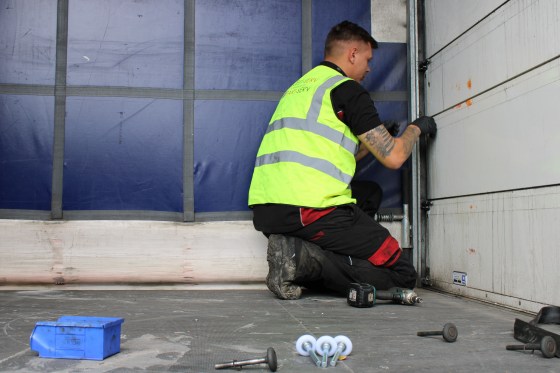
Is your commercial vehicle shutter door becoming difficult to open, sticking or making unusual noises? We look at common shutter door problems, what to check and how to identify the correct replacement parts.
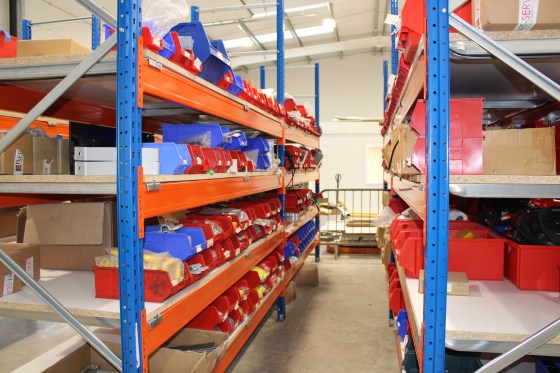
What should a commercial vehicle workshop keep in stock? Discover 10 useful parts and consumables worth keeping on the shelf to help reduce delays and keep repairs moving.

A tail lift problem can quickly lead to vehicle downtime. Discover common areas to check, from controls and wiring to hydraulics, moving parts and part identification.

Commercial vehicle downtime costs more than just the repair. Discover how preventative maintenance, the right parts and accurate part identification can help keep vehicles moving.
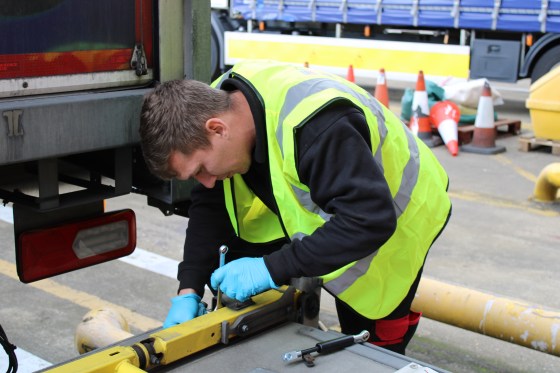
Regular checks can help prevent small commercial vehicle parts from causing costly downtime. Discover seven components worth inspecting before they lead to a breakdown.